Breakthrough Technology for Carbon Neutrality
Our Direct Air Capture systems extract CO₂ from the atmosphere with greater efficiency than conventional methods, helping reverse climate change globally.
Understanding How DAC Works
Our proprietary Direct Air Capture (DAC) technology removes CO₂ directly from the atmosphere, providing a scalable solution to combat climate change regardless of emission source.
The Capture (Adsorption) Phase
During this phase, industrial fans pull ambient air into the DAC machine, where it passes through specialized filter material. These filters contain chemical sorbents that selectively bind with CO₂ molecules from the air, effectively removing them from the atmosphere.
The Release (Desorption) Phase
Once the filters become saturated with CO₂, they enter the release phase. The system applies indirect heat under vacuum conditions, causing the filter material to release the concentrated CO₂. This process regenerates the filters for continued use while producing a pure stream of captured carbon dioxide.
Capture phase
Release phase
The Liquefaction and Injection Phase
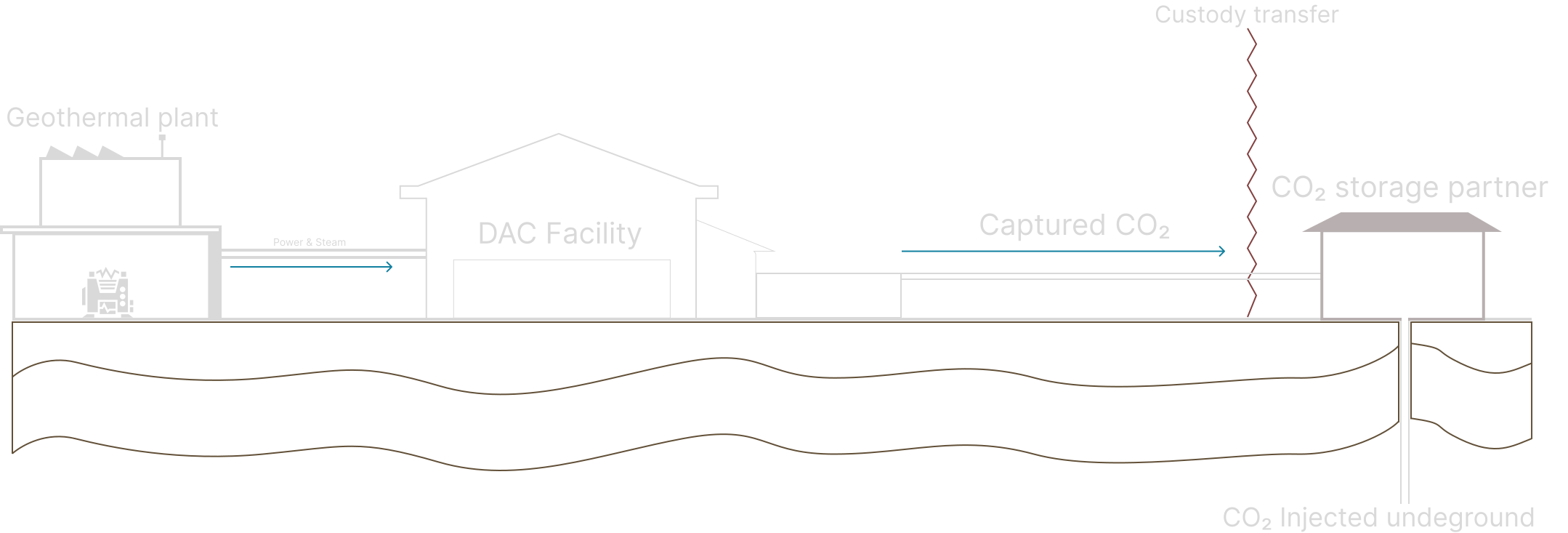
In the final stage, the pure CO₂ stream is compressed and cooled until it liquefies. This liquid CO₂ is then transported to secure geological storage sites where it is injected deep underground into suitable rock formations. Here, the CO₂ gradually mineralizes over time, becoming permanently trapped in the rock structure and effectively removed from the carbon cycle.
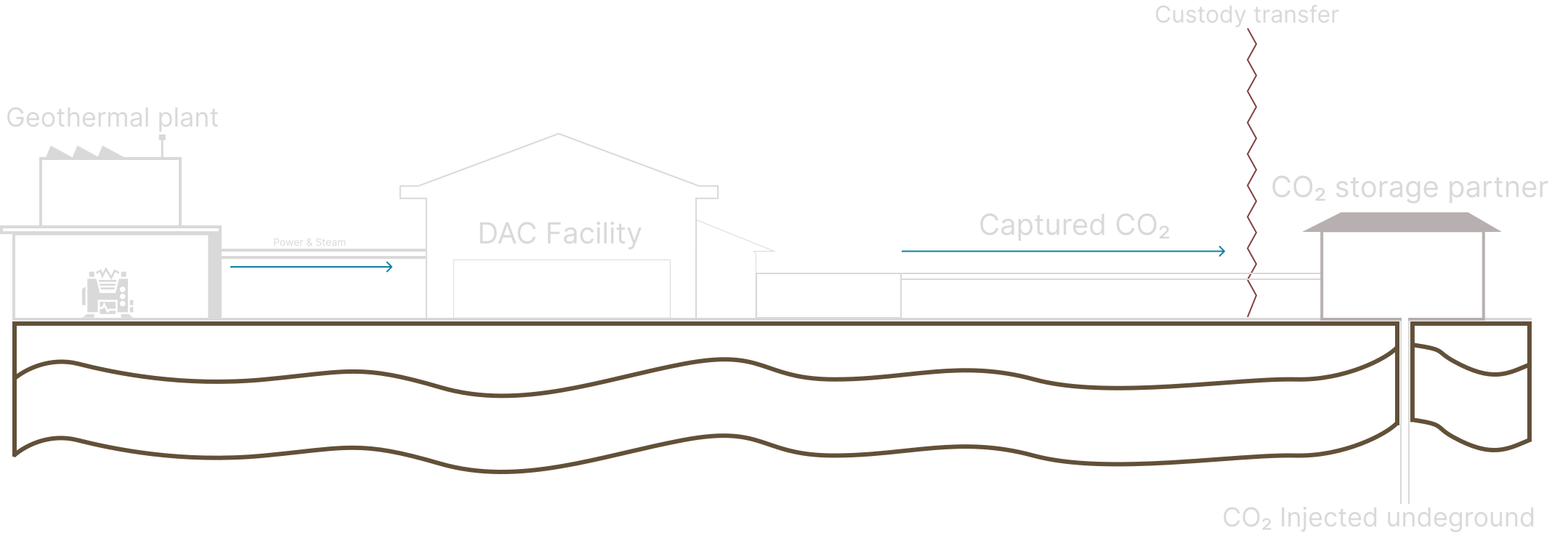
DAC Facility: Complete Carbon Removal Process
Through this three-phase process, our DAC technology achieves permanent carbon removal at scale, providing a crucial tool for reaching net-zero emissions targets and eventually reversing the effects of historical carbon emissions.
Understanding How DAC Works
Our proprietary Direct Air Capture (DAC) technology removes CO₂ directly from the atmosphere, providing a scalable solution to combat climate change regardless of emission source.
What makes us Unique
What makes us Unique
We are fully vertically integrated, handling everything from tech development and manufacturing to project development, allowing us to make quick adjustments to drive down costs across the entire DAC value chain.
Our highly modular approach enables us to build, iterate, and scale rapidly. This approach has seen us deploy the Global South's first DAC + Storage plant in just 2.5 years.
Our DAC systems are designed to leverage geothermal energy sources, dramatically reducing operational costs while ensuring carbon-negative operations through renewable power and efficient heat management for scalable deployment.
Project Hummingbird
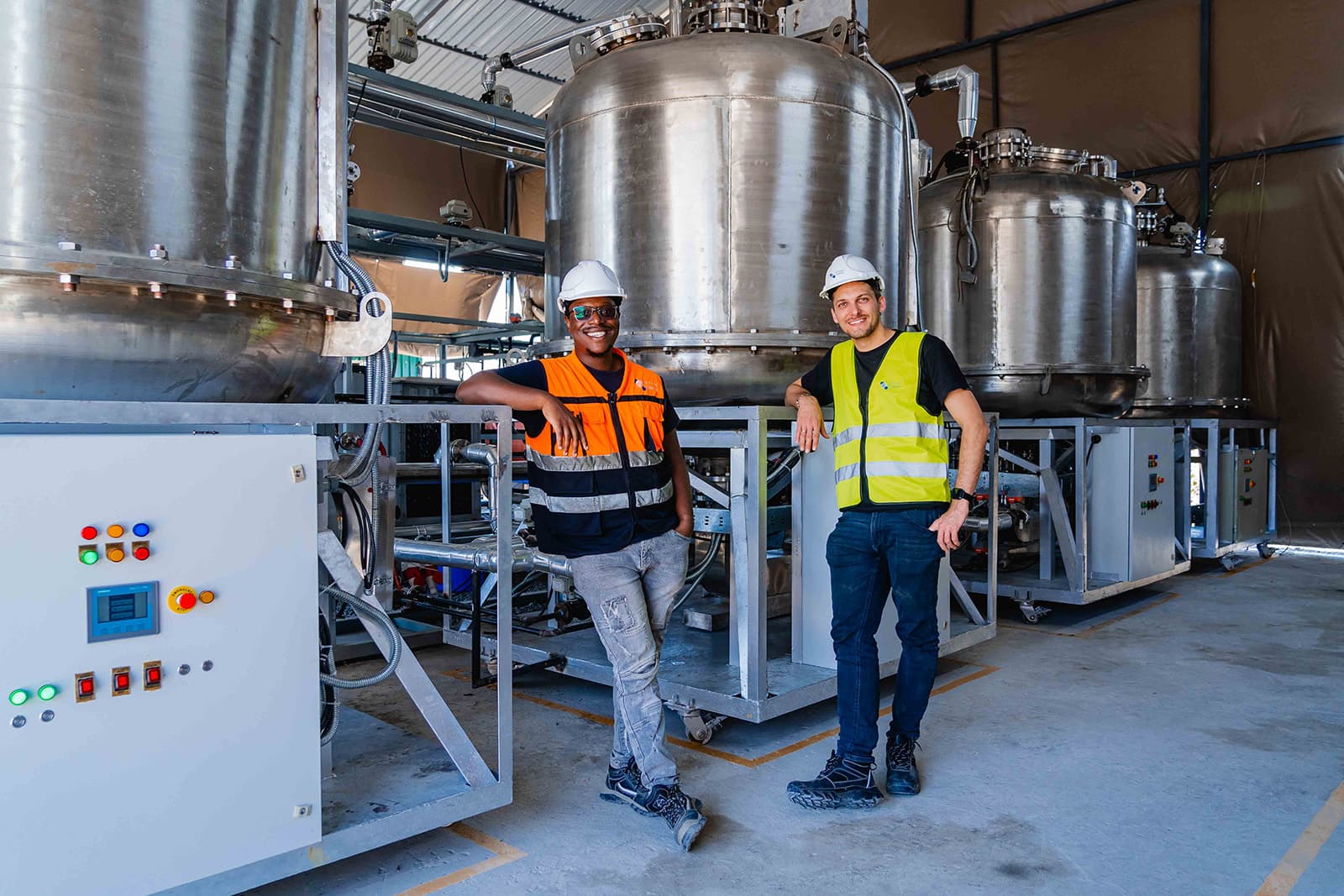
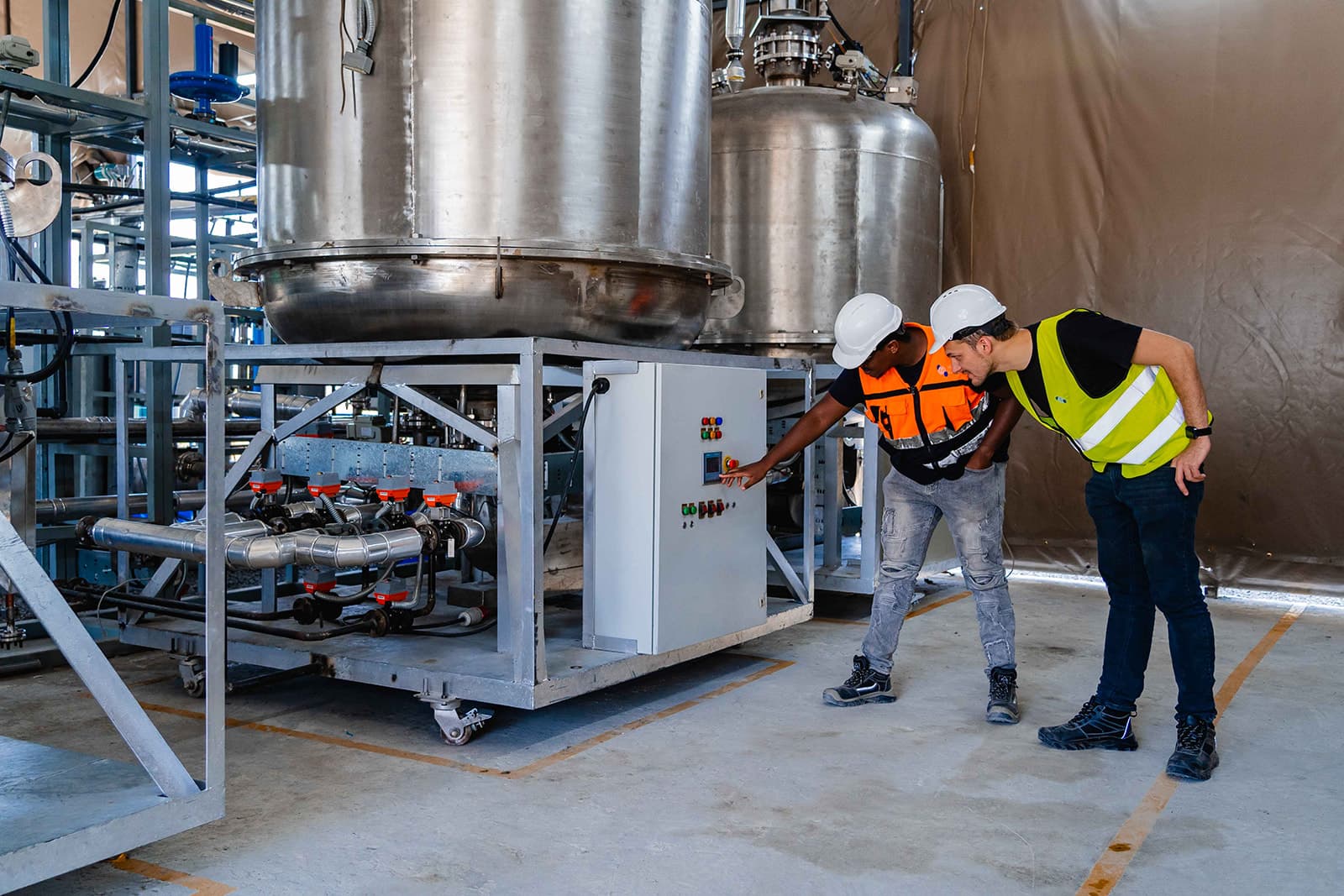
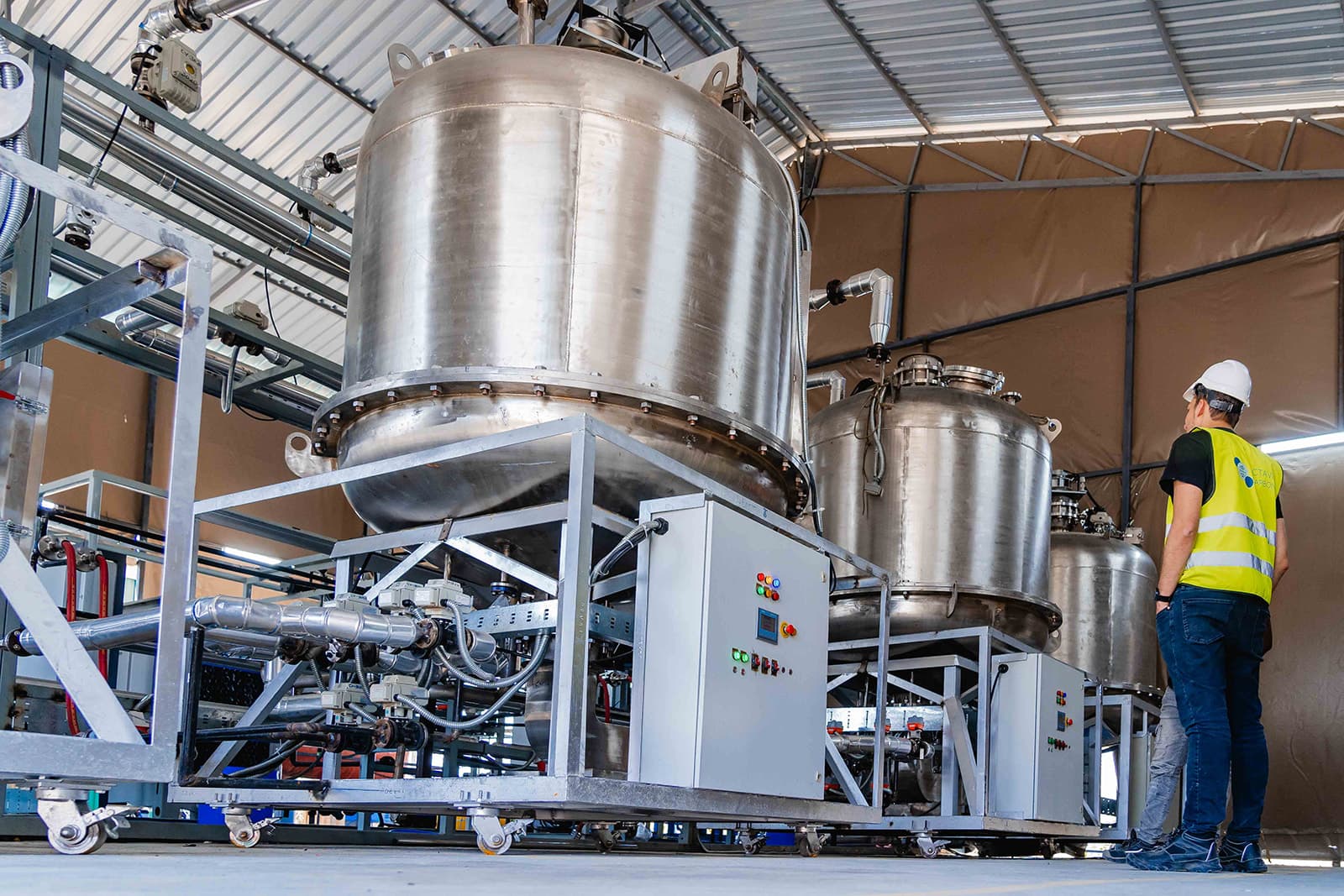
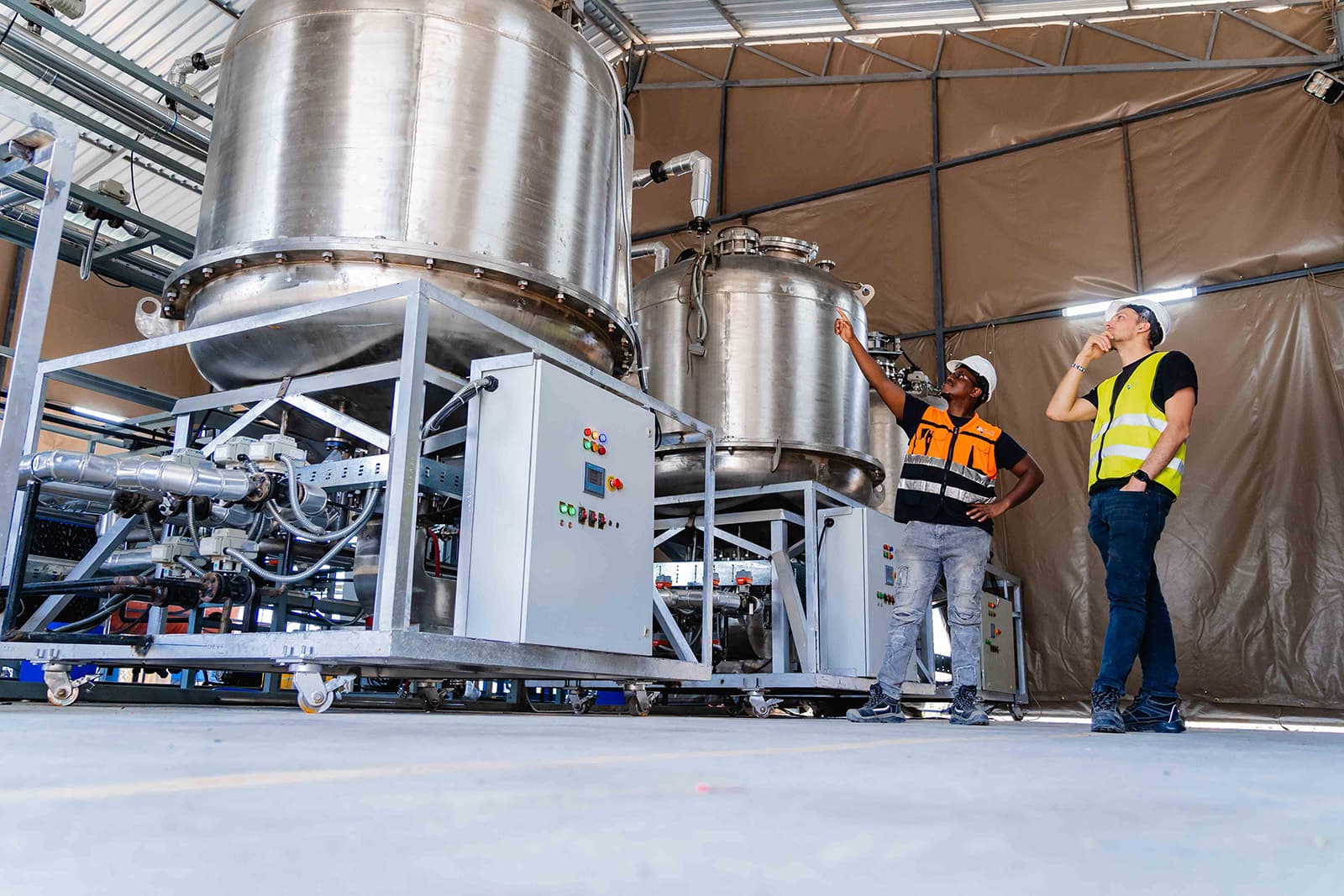
Project Hummingbird - is our pilot Direct Air Capture and Storage (DACS) facility, located in Kenya's central Rift Valley.
About Project Hummingbird
As the first DACS plant in the Southern Hemisphere, it marks a significant milestone in global carbon removal efforts.
At full capacity, the plant will remove 1,000 tons of CO₂ per year, with a projected 10-year operational lifetime. We are commissioning the facility in partnership with a CO₂ storage company, who will oversee the permanent geological storage of captured CO₂. The CO₂ is injected into basaltic rock formations, where it mineralizes, ensuring safe, long-term removal from the atmosphere.
The project will be validated under Puro.earth's Geologically Stored Carbon (GSC) methodology
To ensure the highest integrity for our carbon credits, we have also partnered with Carbonfuture, the provider of the world's first independent digital MRV system for DAC. With the first phase of the project now operational, we are on track to become the second DAC company to issue DAC and geological carbon credits.